Table of Contents
Introduction to Fort Santo Domingo
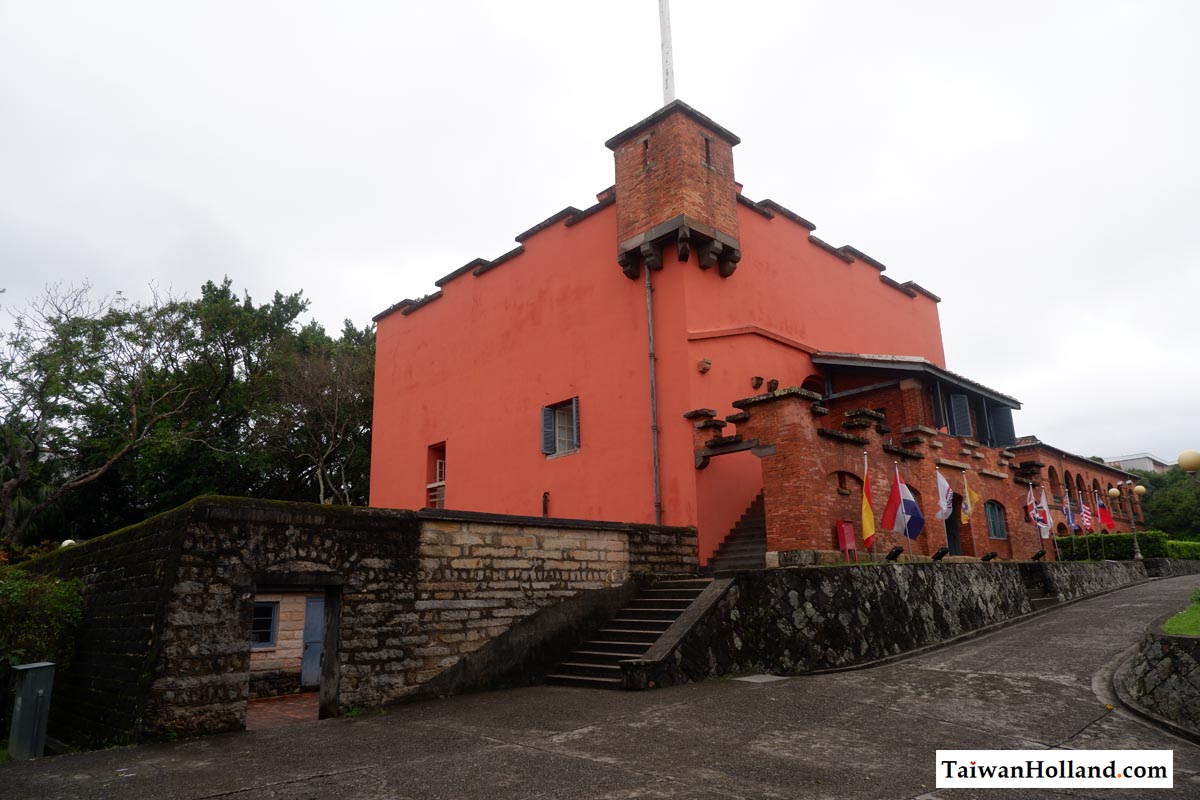
In northern Taiwan at the mouth of the Tamsui river lies the Tamsui area. This is where over 400 years ago the Spanish, on top of a hill, built a small wooden fort. From the fort the bay could be protected and the local area controlled. The fort was called Santo Domingo. When the Dutch took the control of Northern Formosa from the Spanish in 1642 they renamed it San Antonio and expanded the small fort into a stone squared fort with a wooden palisade around it. In the decades after, during Qing dynasty rule the Fort slowly lost it function. After which it was for a long time used by the British as consulate building. Currently the stone fort has become a museum and it still stands on top of the hill overlooking the Tamsui river.
Why is it still called after the Spanish Santo Domingo? That’s an interesting question. The Spanish razed the fort when Dutch arrived in the North. Then later the Dutch rebuild it into the stone fort it is now in 1644. In Taiwan it is called Hóng máo chéng (紅毛城 ), which translates to red hair Fort, named by the local Han Chinese in the early 18th century, because the Dutch who allegedly had red hair.
Also the fort has a red colour but this is due to renovations by the British during the time that it was part of the British consulate. The red colour of the fort complemented the newly red brick colours of the consulate building built in 1891. Before the Dutch fort was actually white.
How to get to fort Santo Domingo
From Taipei main station you take the red line MRT towards all the way to Tamsui station. Then you can either follow Huanhe road and walk along the riverside all the way to Huwei fisher harbour. There you follow the signs to the fort.
Alternatively you can follow Zhongzheng road until you see the entrance to the museum on your right side.
Fort Santo Domingo: Tickets and opening hours
The ticket grants access to the fort itself, the British consulate building next door and to Hobe fort further up the road. Unfortunately when I visited Hobe Fort was closed and under maintenance. When I have time I will visit again and I will cover that in a different blogpost.
Opening Hours
| Sunday | 09:30 – 18:00 |
|---|---|
| Monday | 09:30 – 17:00 |
| Tuesday | 09:30 – 17:00 |
| Wednesday | 09:30 – 17:00 |
| Thursday | 09:30 – 17:00 |
| Friday | 09:30 – 17:00 |
| Saturday | 09:30 – 18:00 |
Address: No. 1 Lane 28 Zhongjheng Road, Tamsui Dist., New Taipei City Taiwan, R.O.C
website : https://eng.taiwan.net.tw/
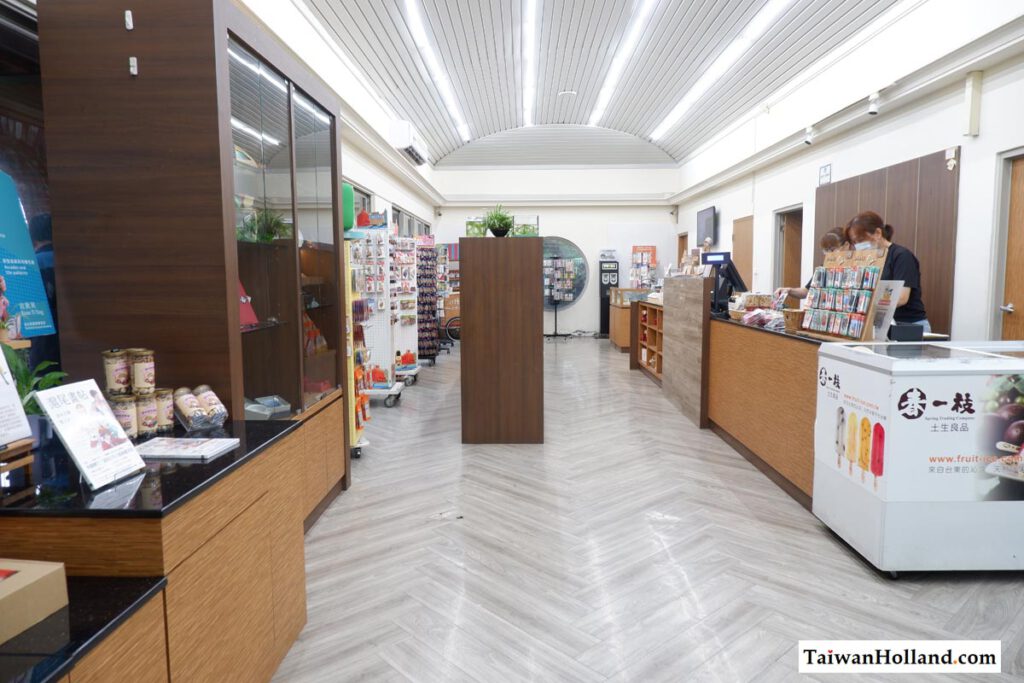
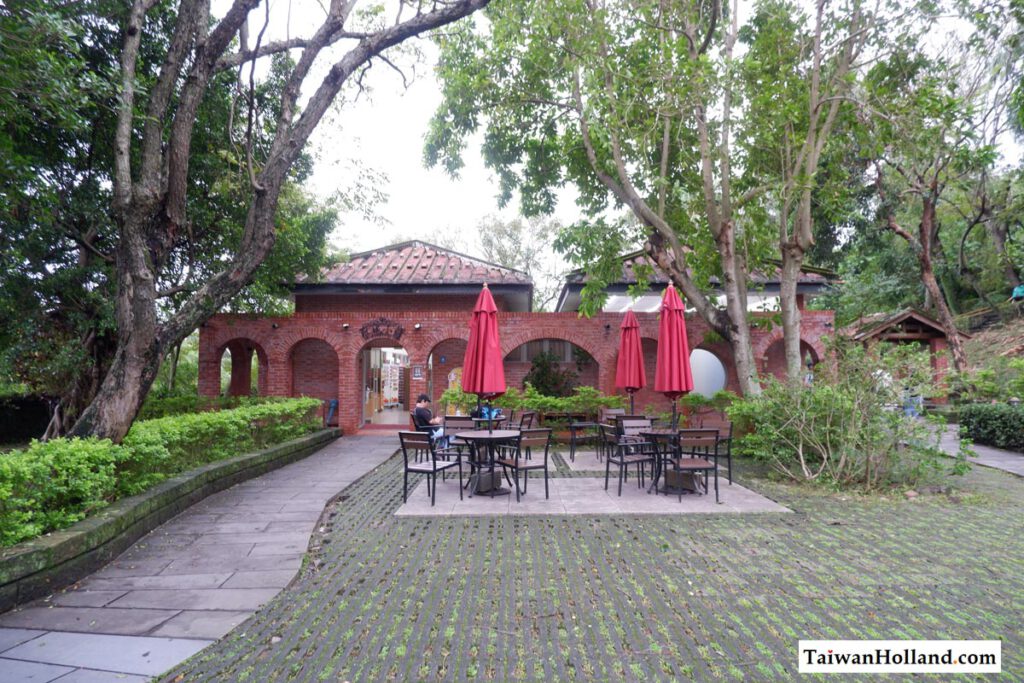
The tickets are just 80NTD and can be bought at the entrance just next to the road. From there you first walk through a small park to the top of the hill where the fort stands. On the way you will pass a small museum shop and a restroom. I can recommend the museum shop before you leave. Taiwan museums often have fun and interesting gifts! This one too.
When you arrive to the top of the hill you will find the squared fortress with 8 flags in front of it. The 9 flags of the countries who once owned or were seated in the building!
From left to right: Spanish, Dutch, Koxinga, Qing empire, British, Japanese, Australia, the united states and finally the republic of china (Taiwan).
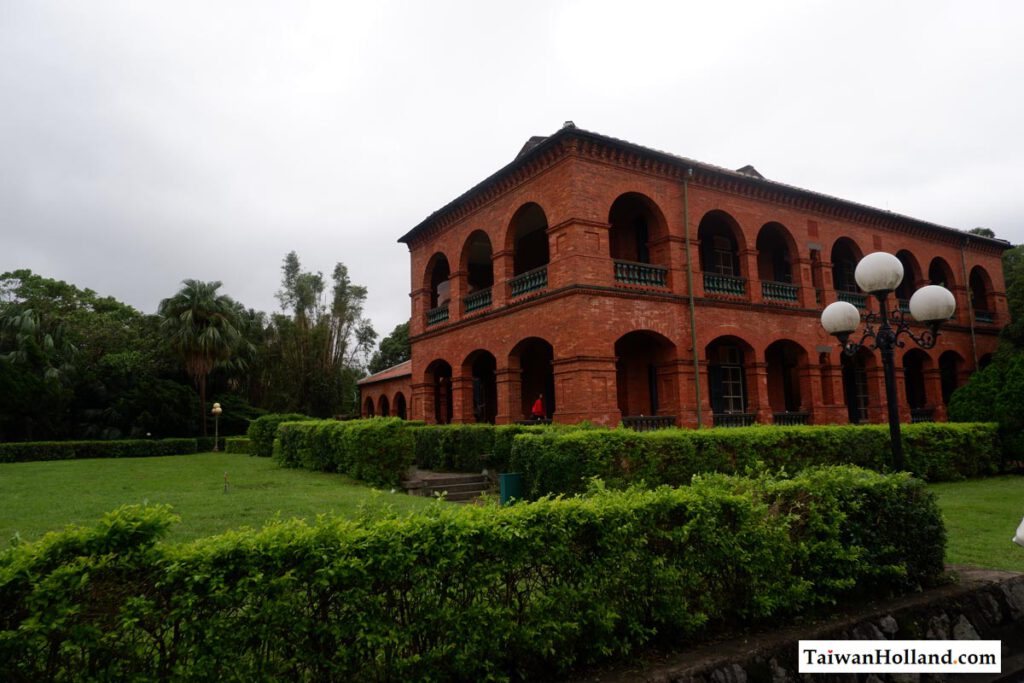
Opposite the red fort, across a grass field you will find the former British consulate building.
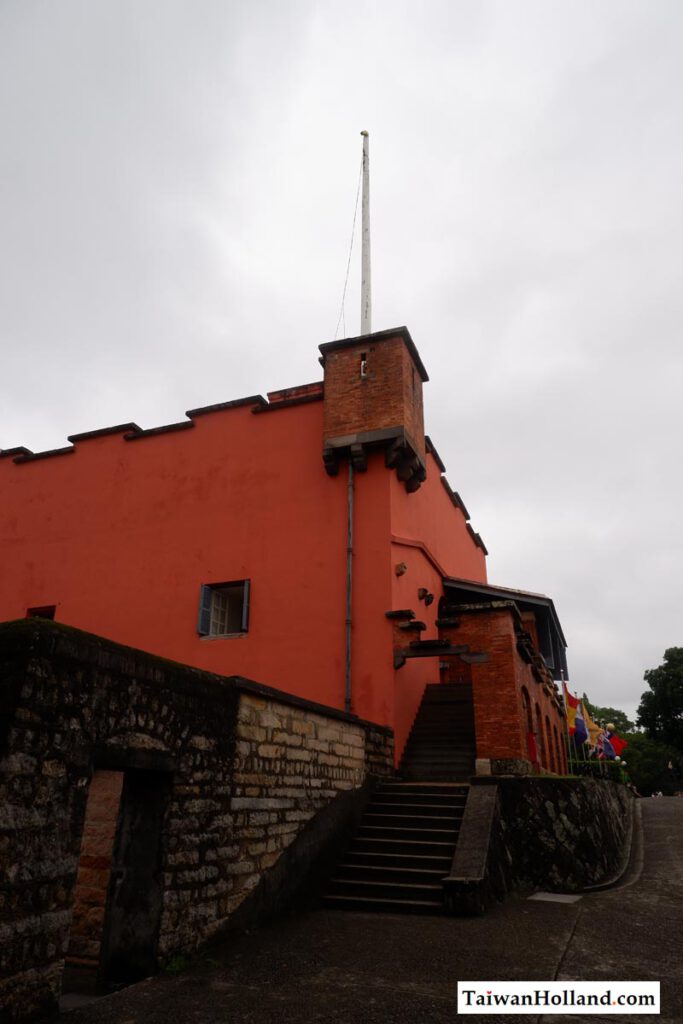
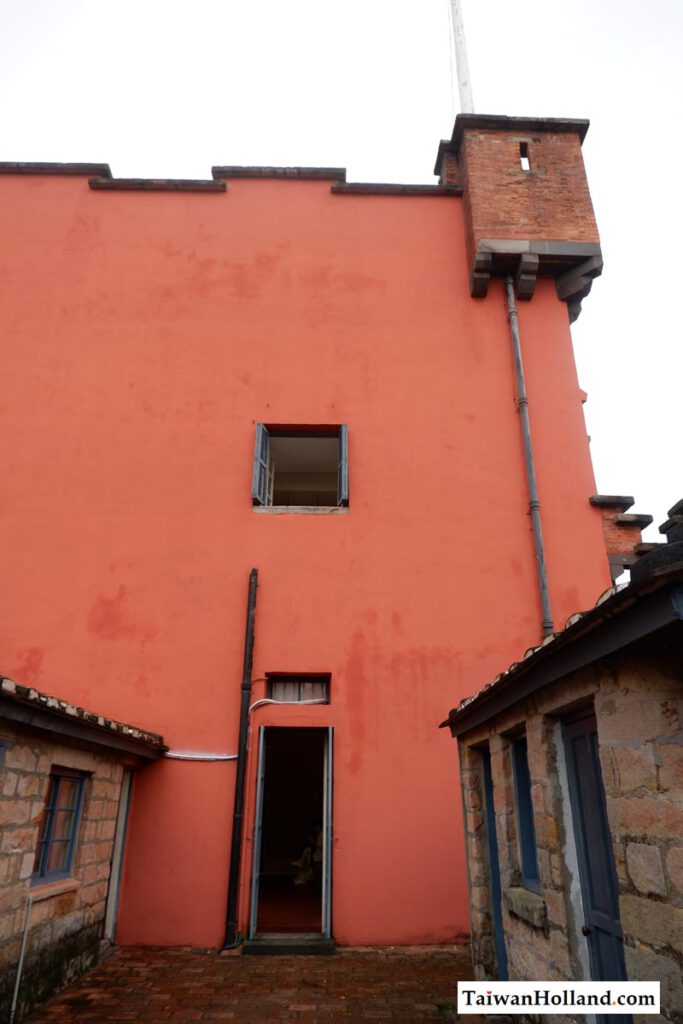
The fort under Dutch rule
When the Dutch took over control of northern Formosa from the Spanish in 1642 they rebuilt the Spanish fort at Tamsui which they had razed before leaving. At first the Dutch had rebuild it of wood, secured by a wooden palisade but later they rebuild it with stone.
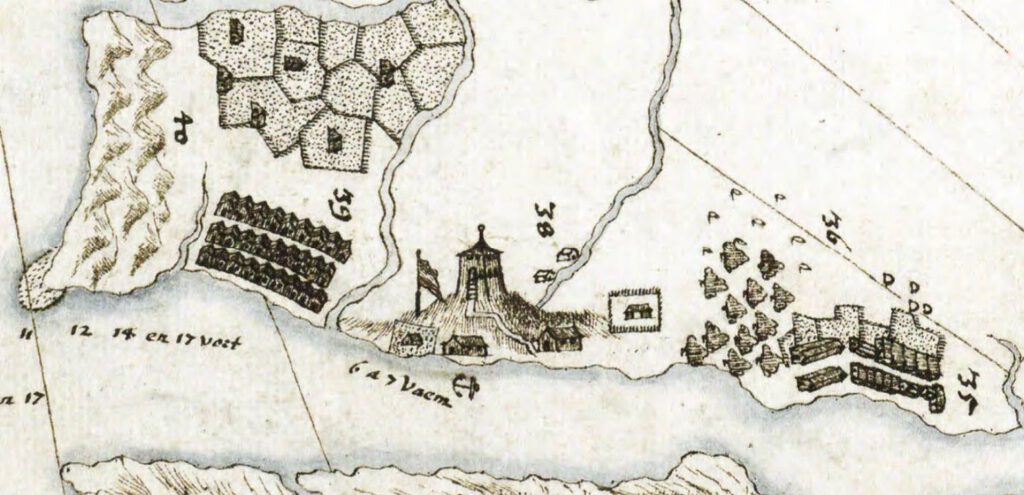
There is an drawn image of the fort on one of the oldest surviving maps of northern Formosa. A squared stone Fortified building with a pointy roof on top of a hill. The pointy roof soon was replaced by a flat roof much more suitable for the weather conditions in Taiwan. The Fort has stood the test of time and stands still there at the bay of the Tamsui river almost four centuries later. During the Dutch and Qing era the fort was actually white plastered and not red painted.
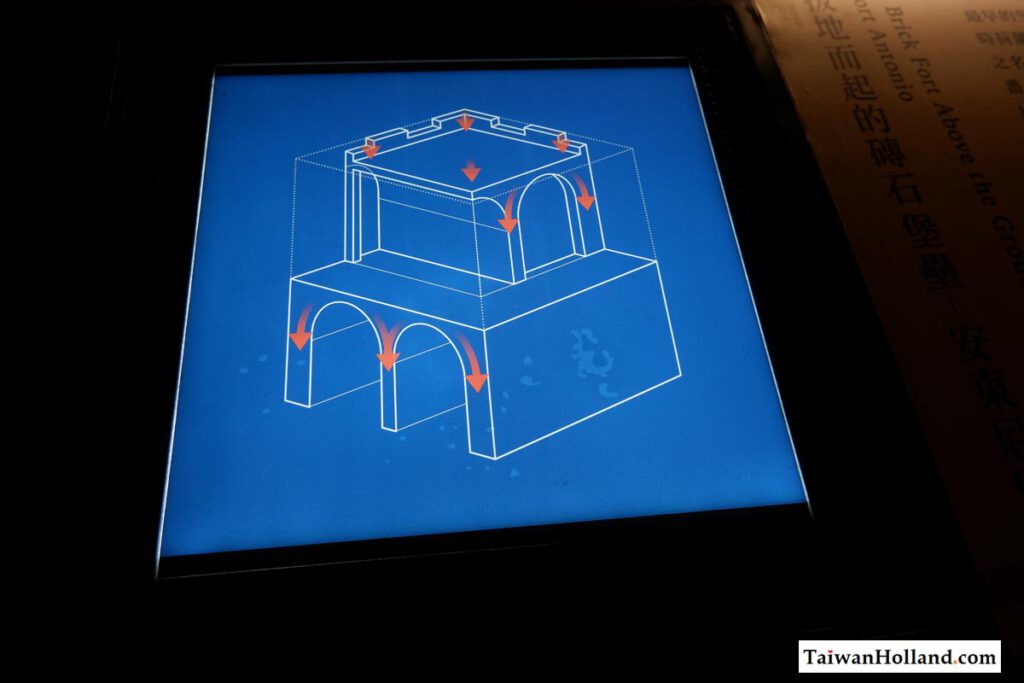
The fort was build by building two arched structures perpendicular to each other on top of each other. This ensured a strong and secure Fort with two levels. Being able to carry heavy cannons.
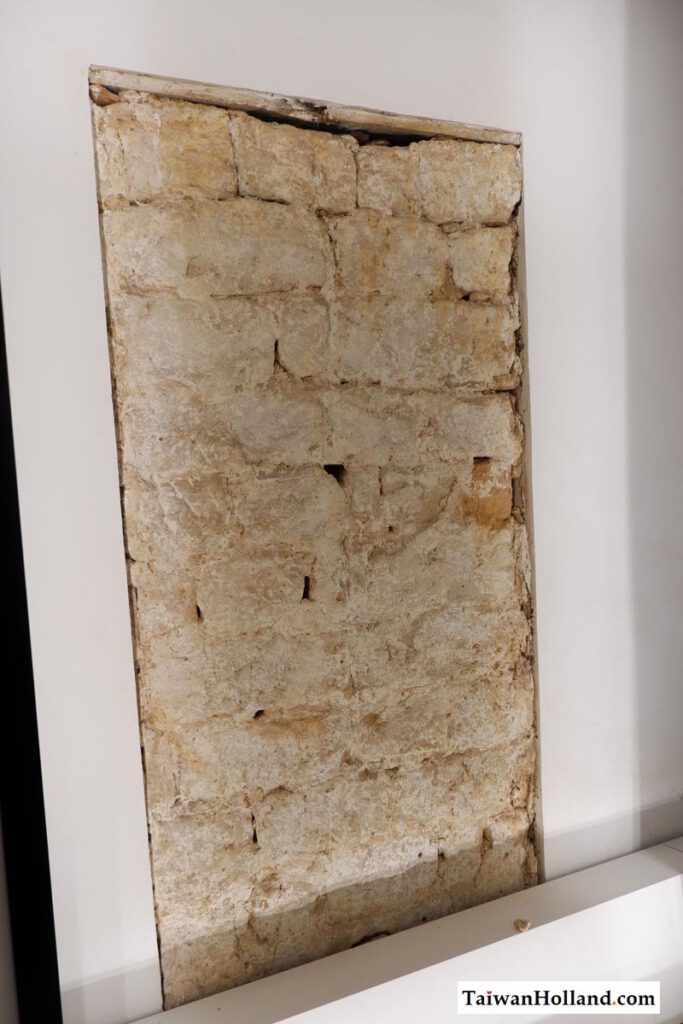
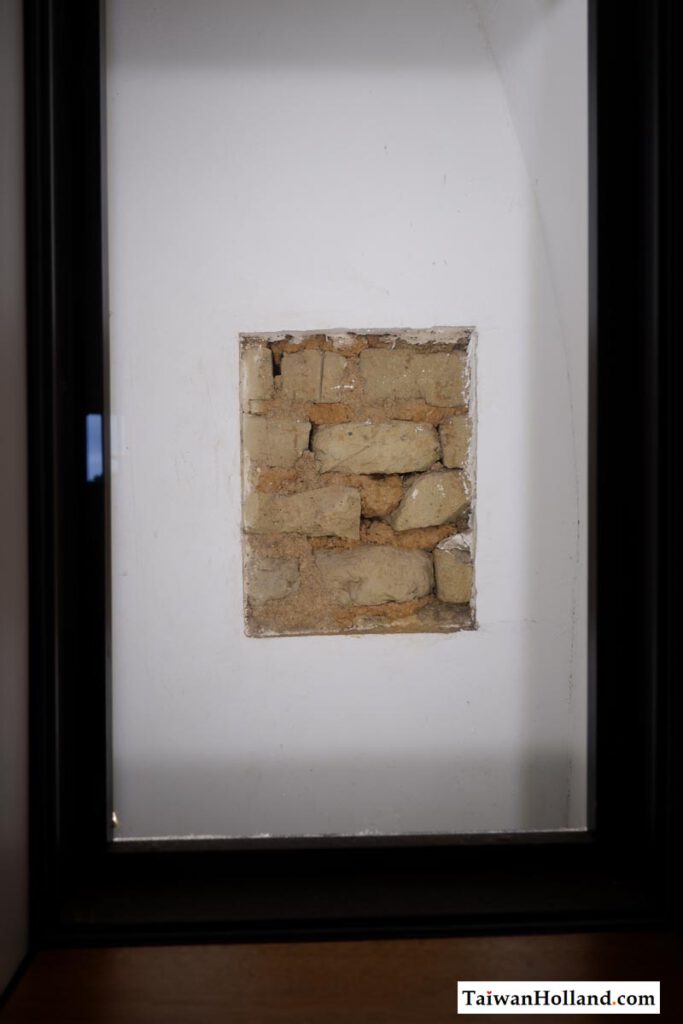
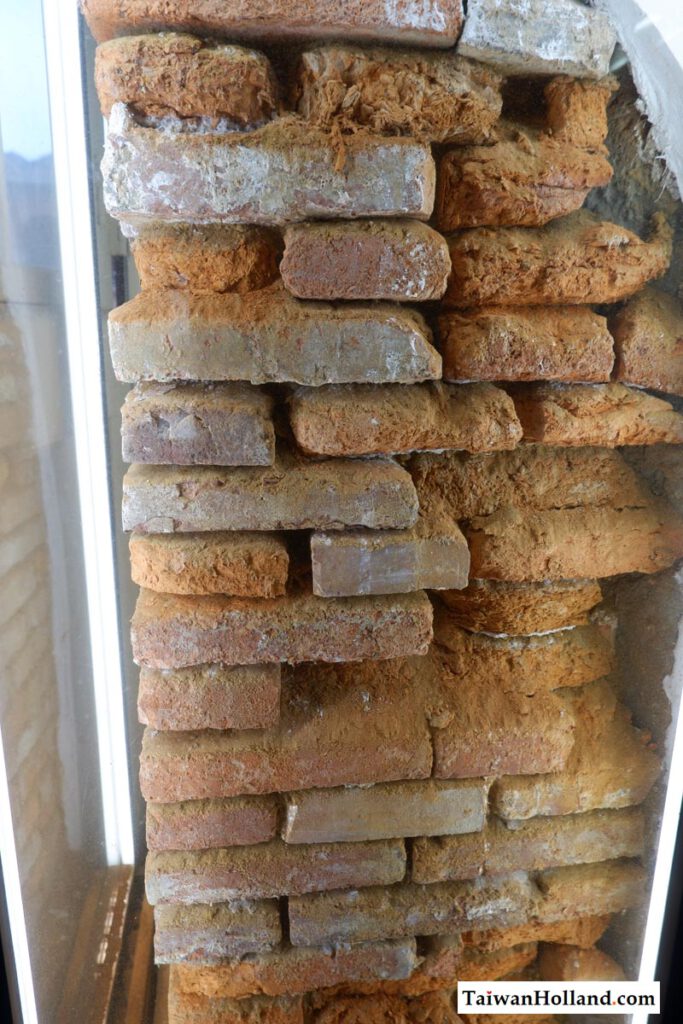
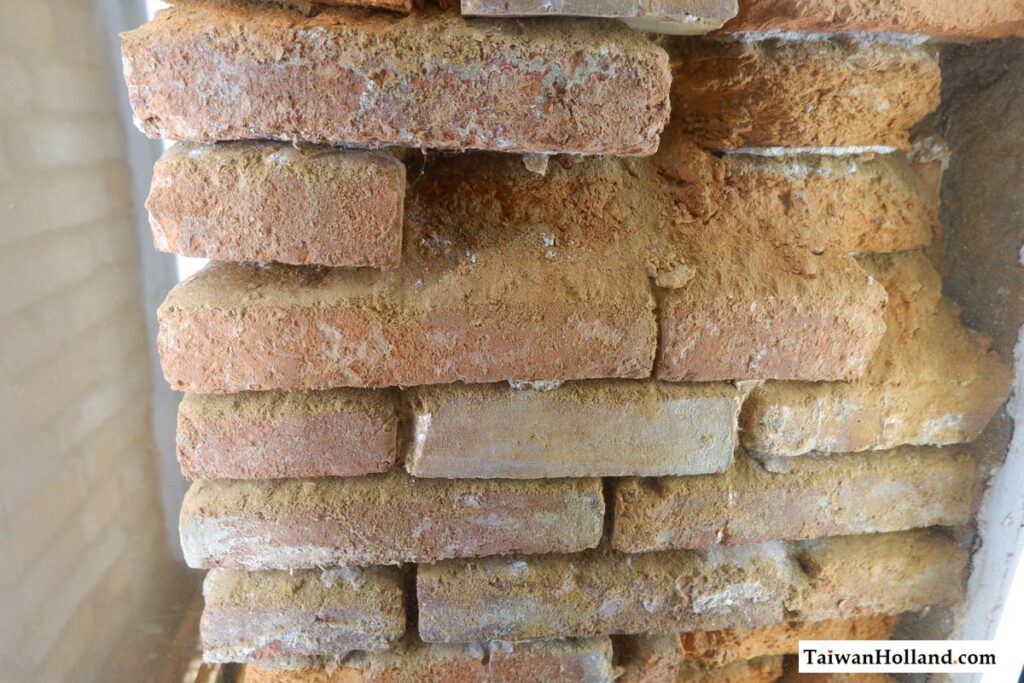
When the fort and consulate building turned into a museum, the inside of the fort walls have been opened to show to the public. Through a window the wall structure can clearly been seen. It is said the Dutch used parts of the walls from the Spanish fort at Keelung. But it can also be seen that typical red bricks have been used to create thick walls the bricks layers where placed one layer of header and one layer of stretchers.
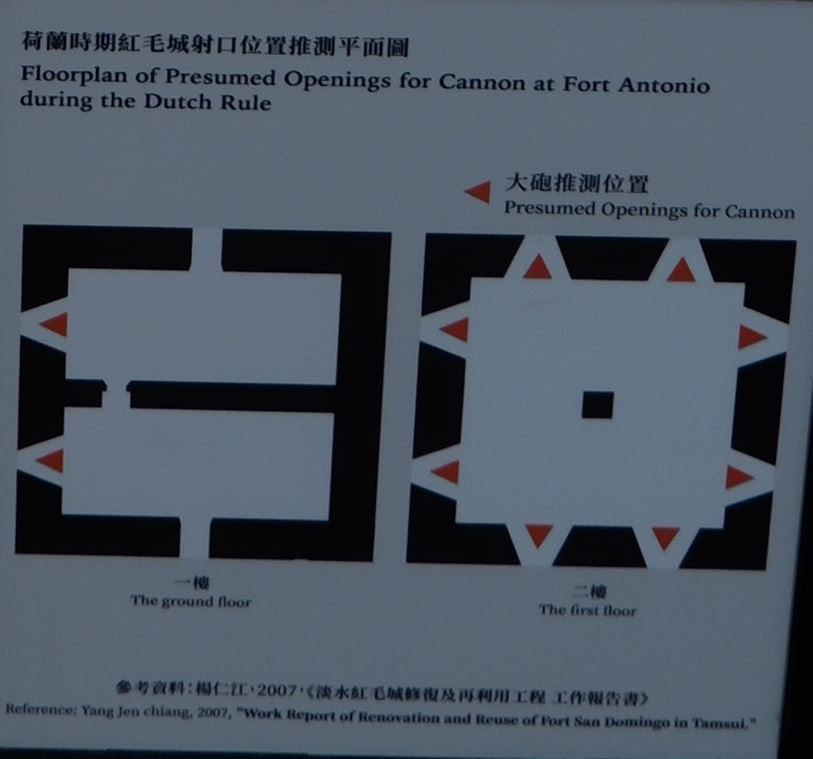
During renovations the presumed openings for cannons during the Dutch rule have been found. On the ground floor there were two openings on one side. At the first floor presumably each side had two openings for cannons.
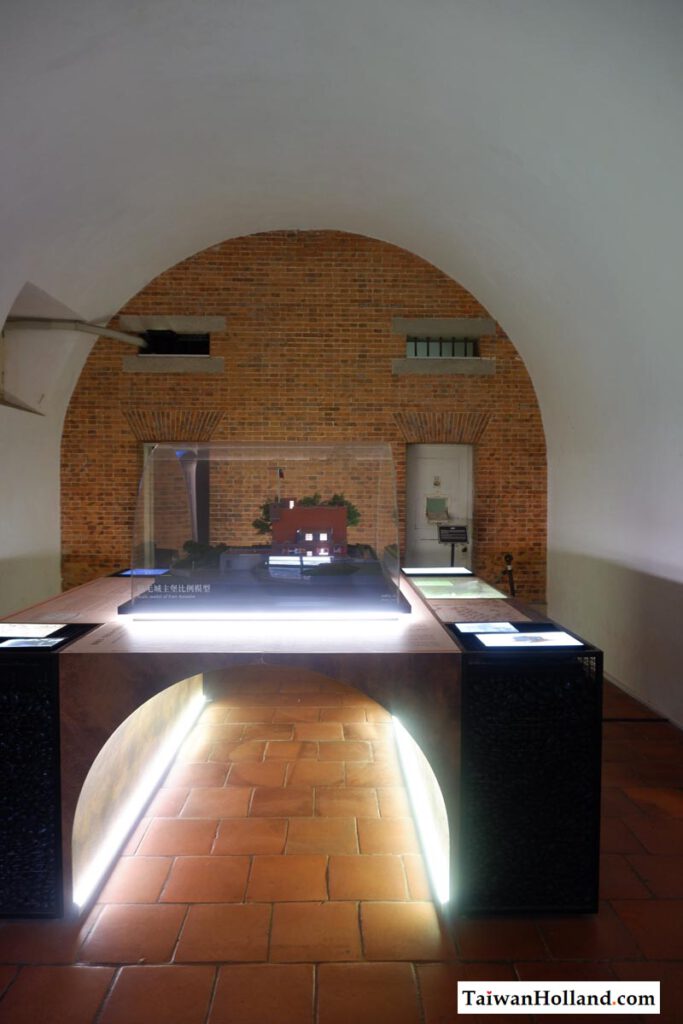
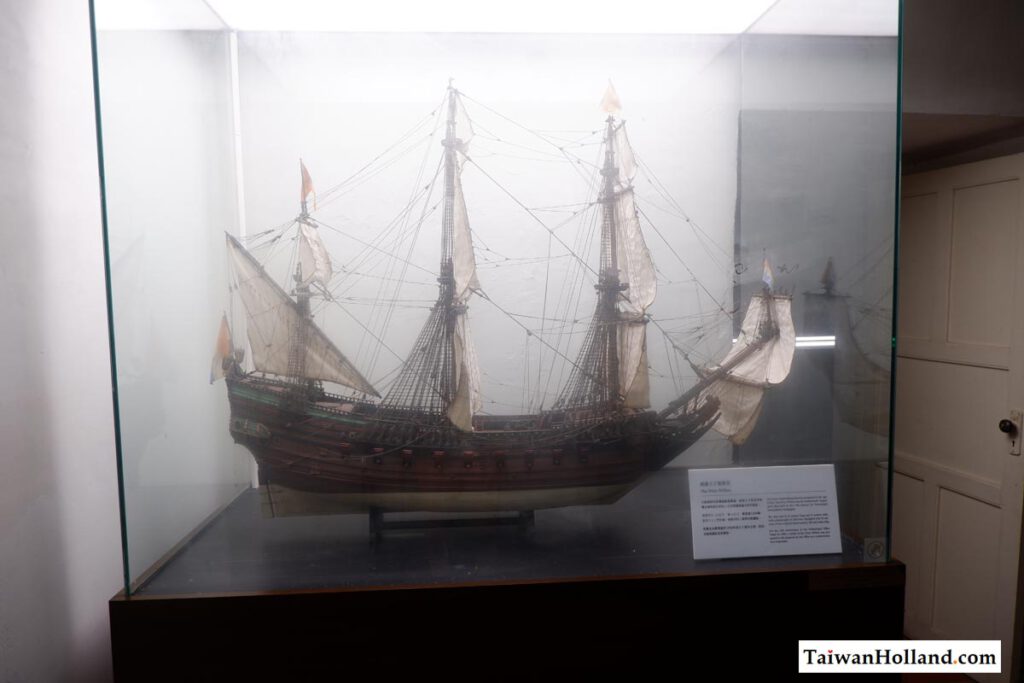
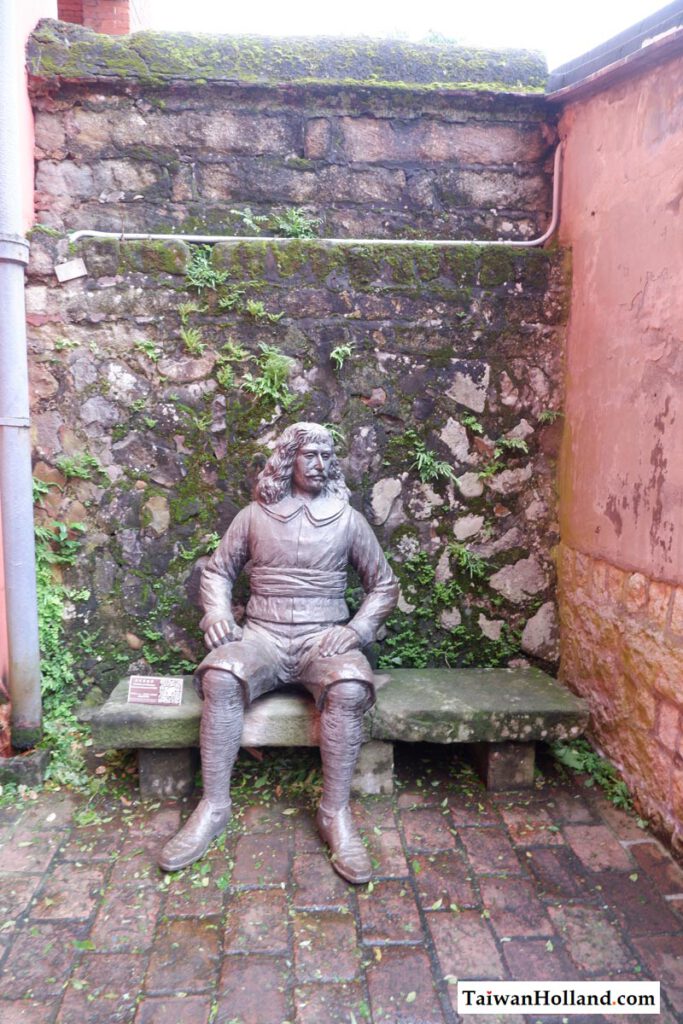
When you go into the fort the ground floor is dedicated the Dutch era, you will find a video about its history and its location at the Tamsui river. Also you find a large model of to fort in its current state. You can clearly see the arched structure of the fort when you walk around in the fort. Outdoor a statue of east India governor Van Diemen sits on a bench.
Most items on the second floor however are from the time period it has been used by the British.
Fort Antonio as British consulate
For over 2 centuries the Fort was used as a military building, Then in 1867 it became the residential seat of the British consul in Taiwan
The fort was restructured to a house. The picture below gives a good overview of the several brick additions done over the last decades. The watchtower and battlements were not really used but more added for aesthetics.
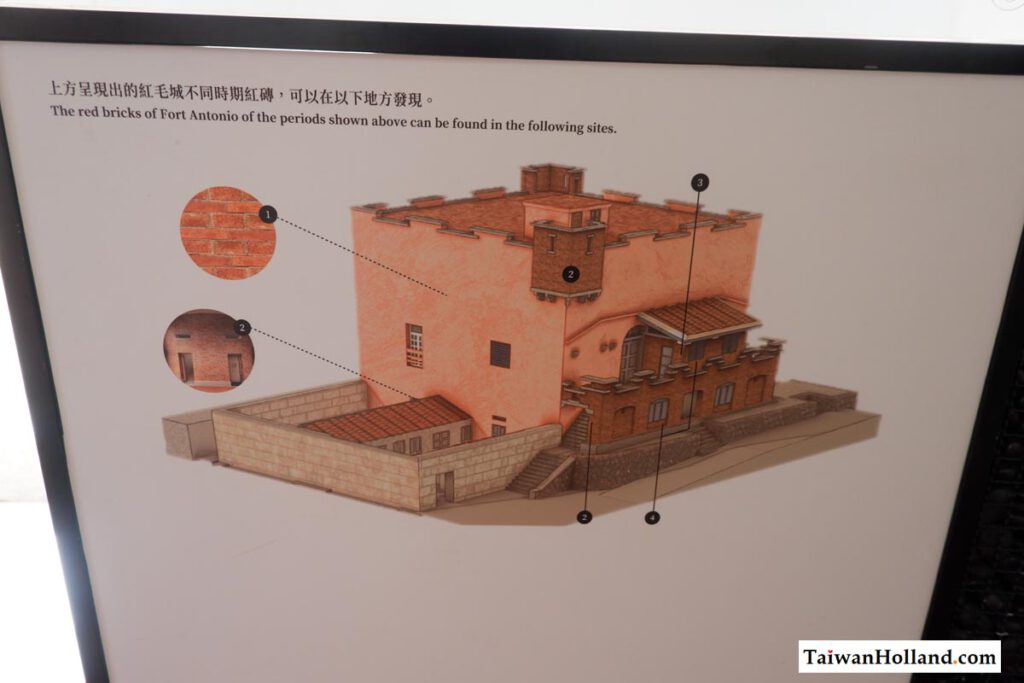
- The main building is built of bricks in ‘Dutch’ style using Dutch/Minnan bricks.
similar to fort Zealandia, one layer of header and one layer of stretchers. half header at the corner. - The watchtowers on the corners of the building, the cells and the battlements under the veranda are added in 1867 by the UK
- During renovations in 1895 by the UK columns on the veranda were added using standard Japanese bricks and concrete bricks.
- In 1945 the intervals between the veranda columns were filled with a wall using bricks by the UK. again, one layer of header and one layer of stretcher. half header at the corner
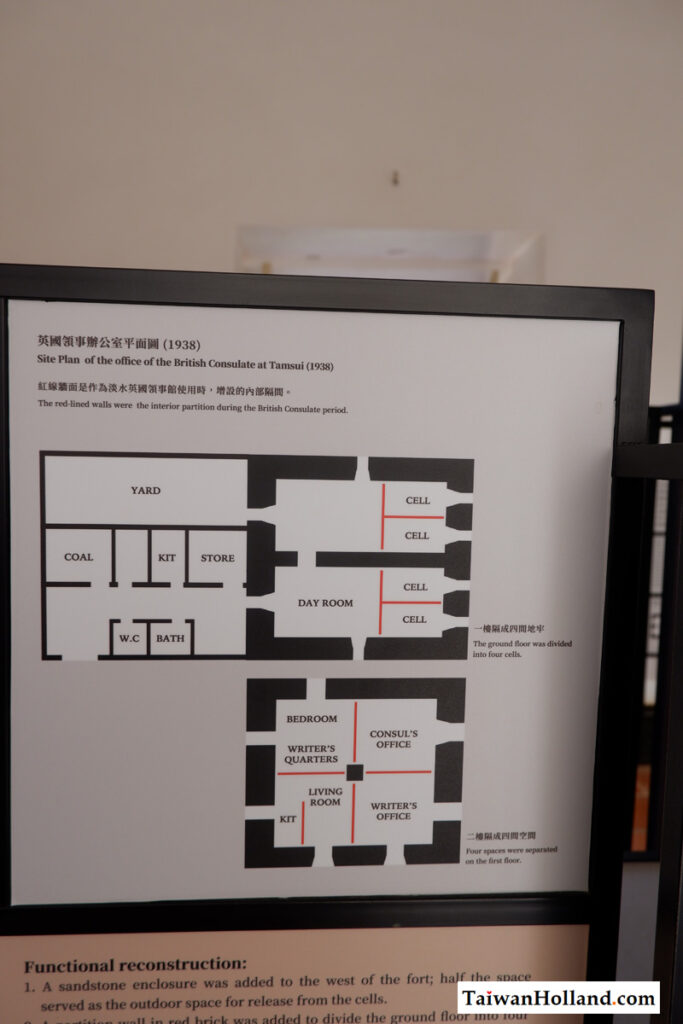
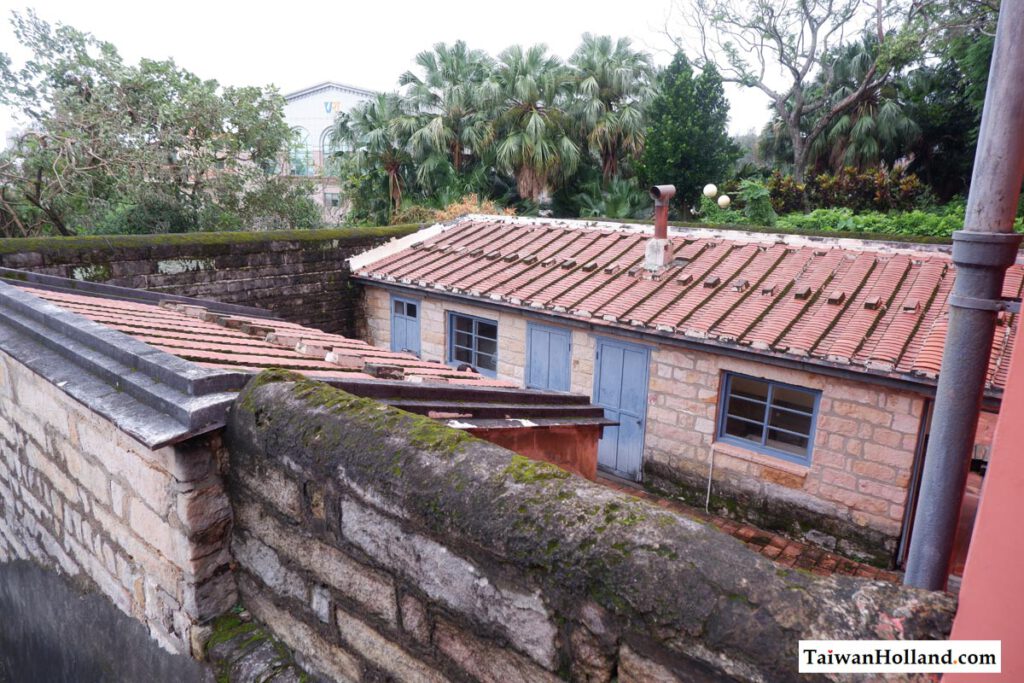
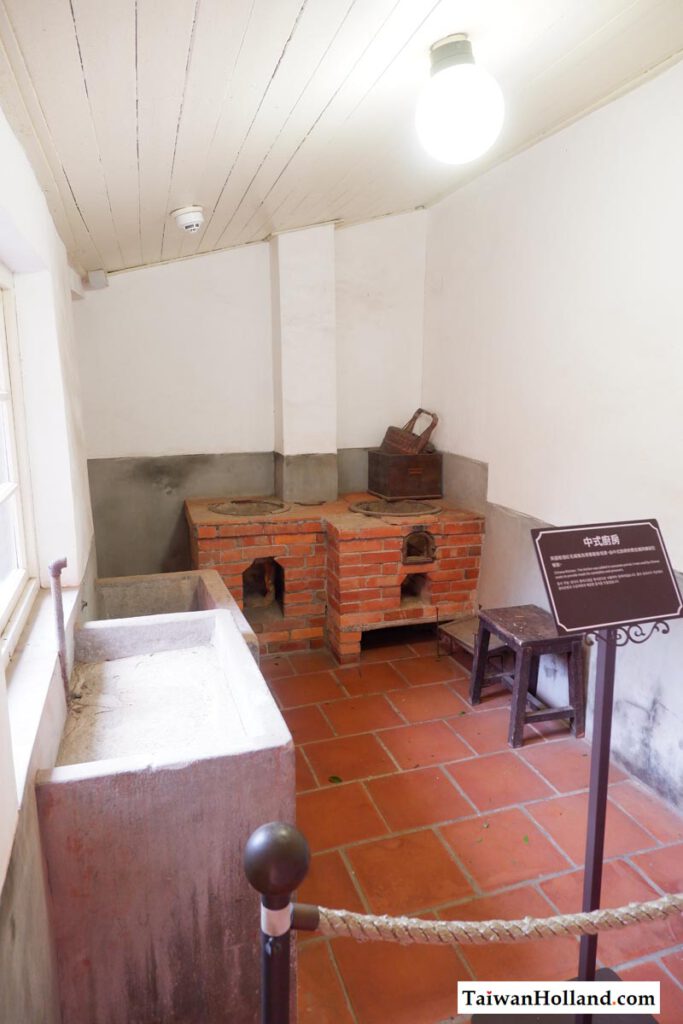
The British Consul added a yard to the side of the fort. It had a kitchen, food and coal storage. But also added a toilet and bathroom.
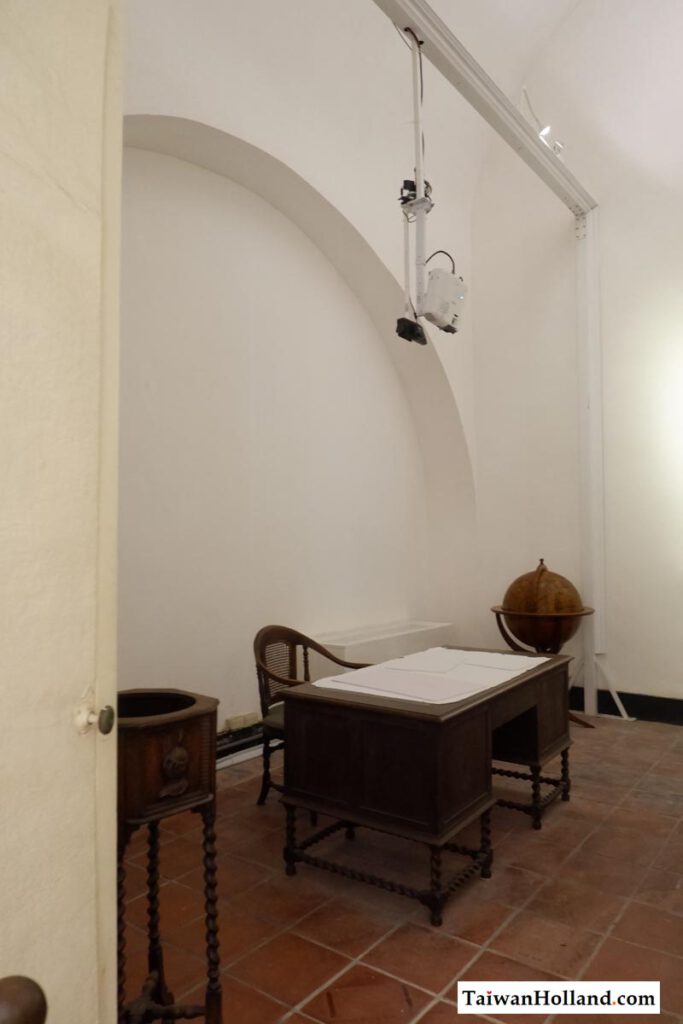
At the ground floor 4 cells were added, while the first floor was separated into 4 rooms. A Livingroom and bedroom for the consul, an office space and a writers office.
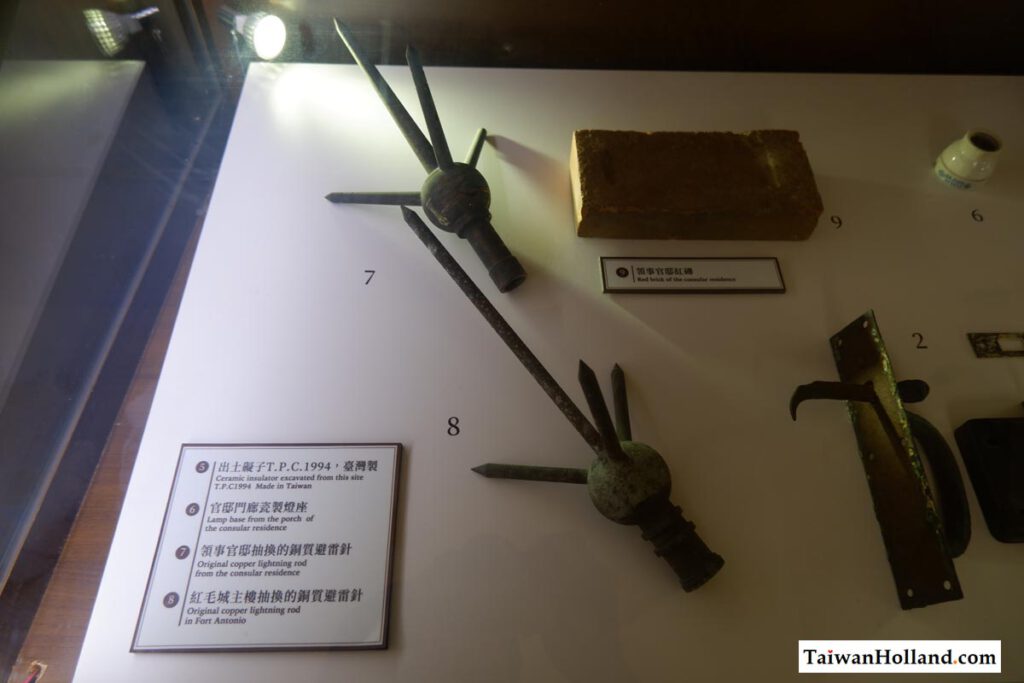
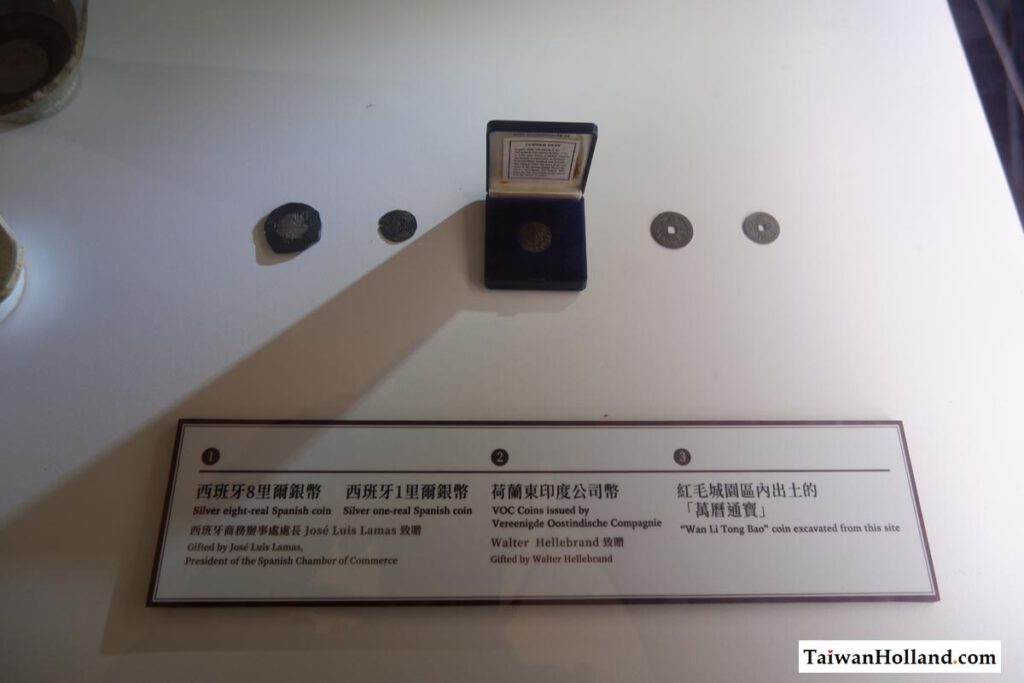
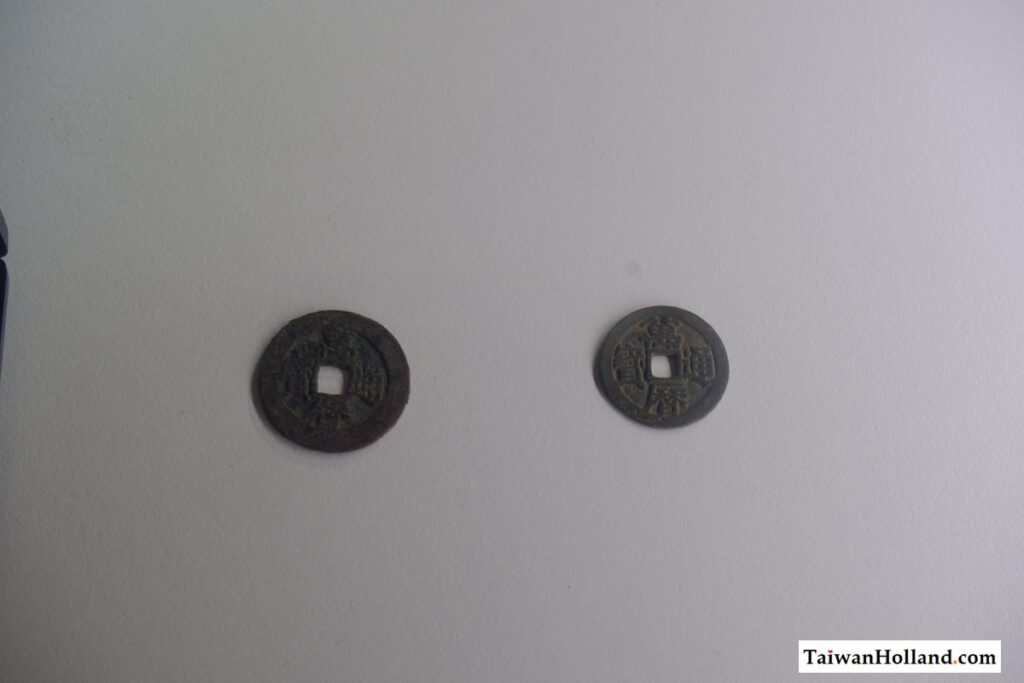
Inside the fort most of the objects exhibited are from the days it was used by the British consul. There are however some coins from the VOC era time period: a Spanish real, a Dutch v.o.c. coin and a Wan Li Tong bao coin, the latter one was excavated at this actual site.
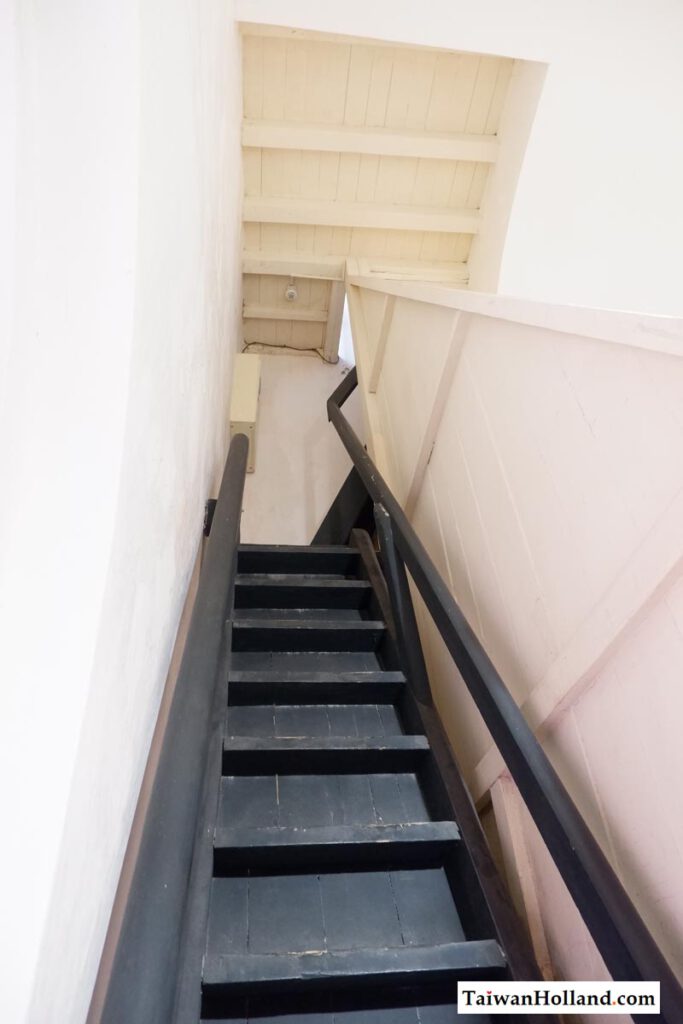
There is a stairs going from the first floor to the roof of the fort. Unfortunately it is not allowed to climb it and have a look from the top.
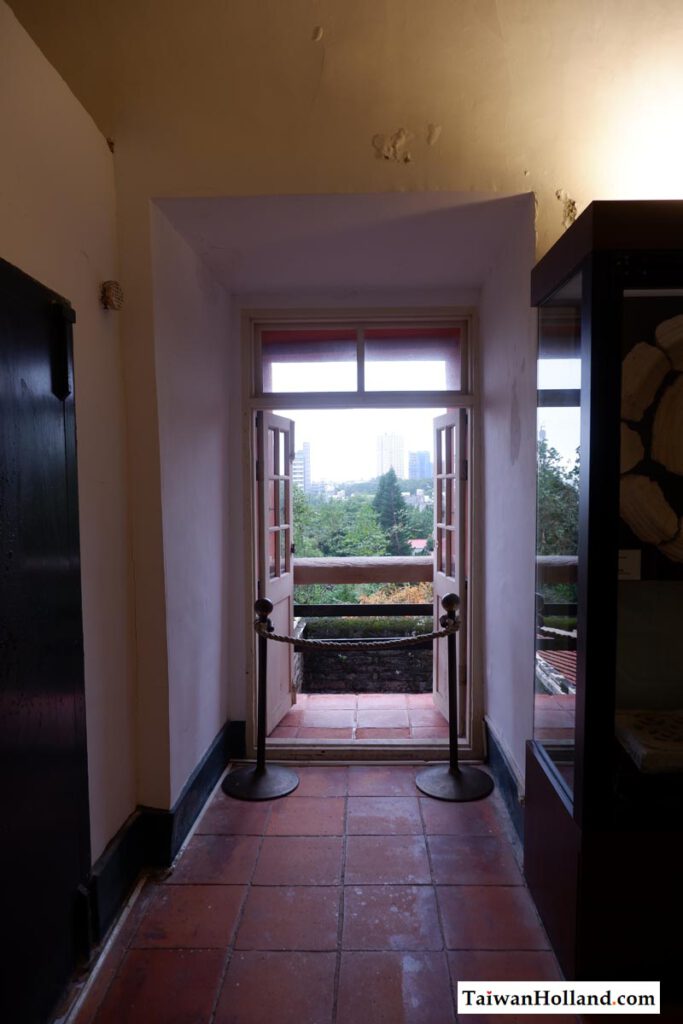
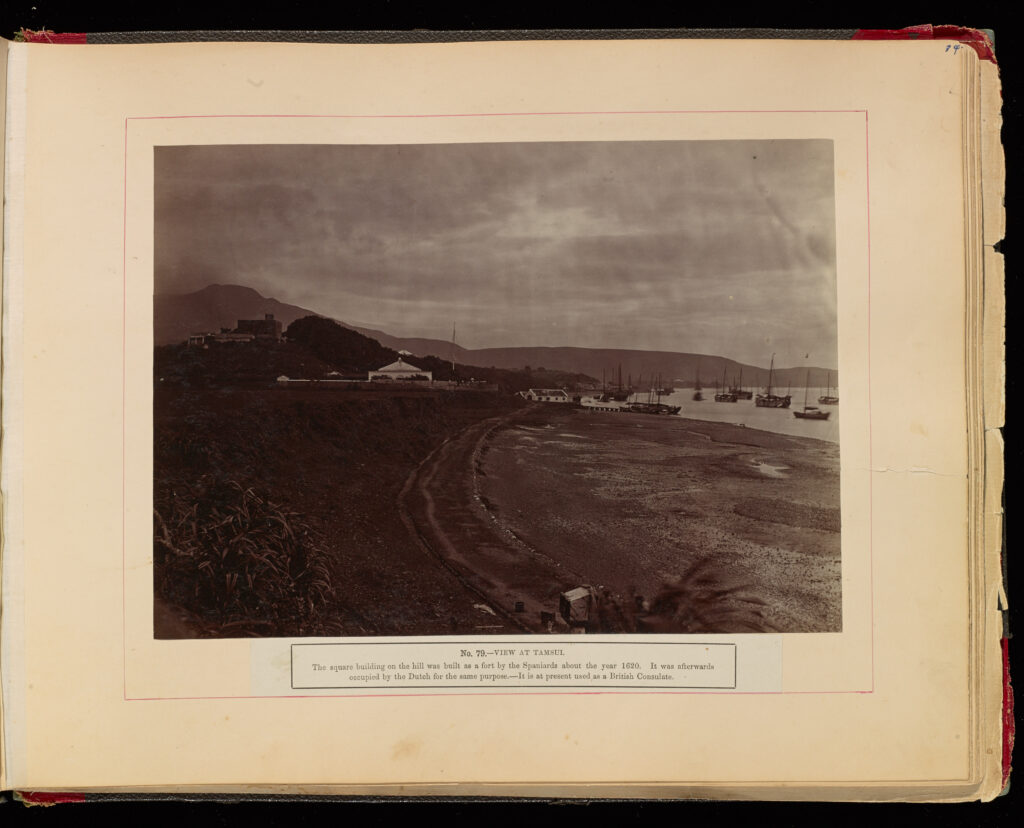
Below an image of the Fort used as British consulate in 1870. Back then the area didn’t had so much trees as it does have now and it can clearly be seen from the riverside.
The new consulate building
The old fort was very moisty and living conditions were not really good. It was decided to build a new consulate building in 1891 and you will find this red brick- arched consulate building just across a grass field next to Fort Antonio.
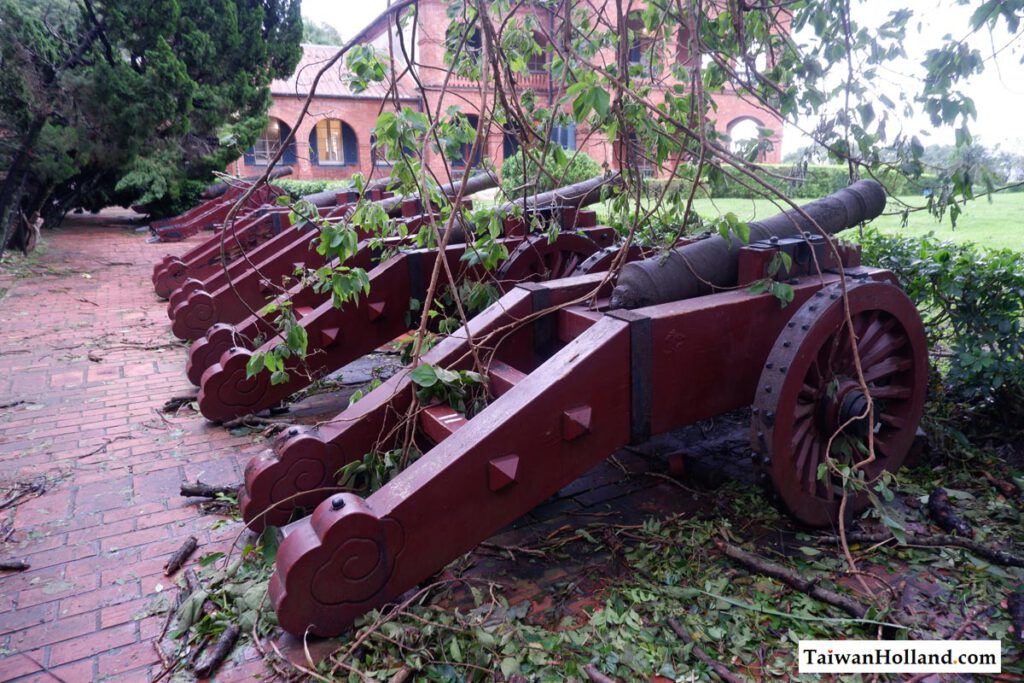
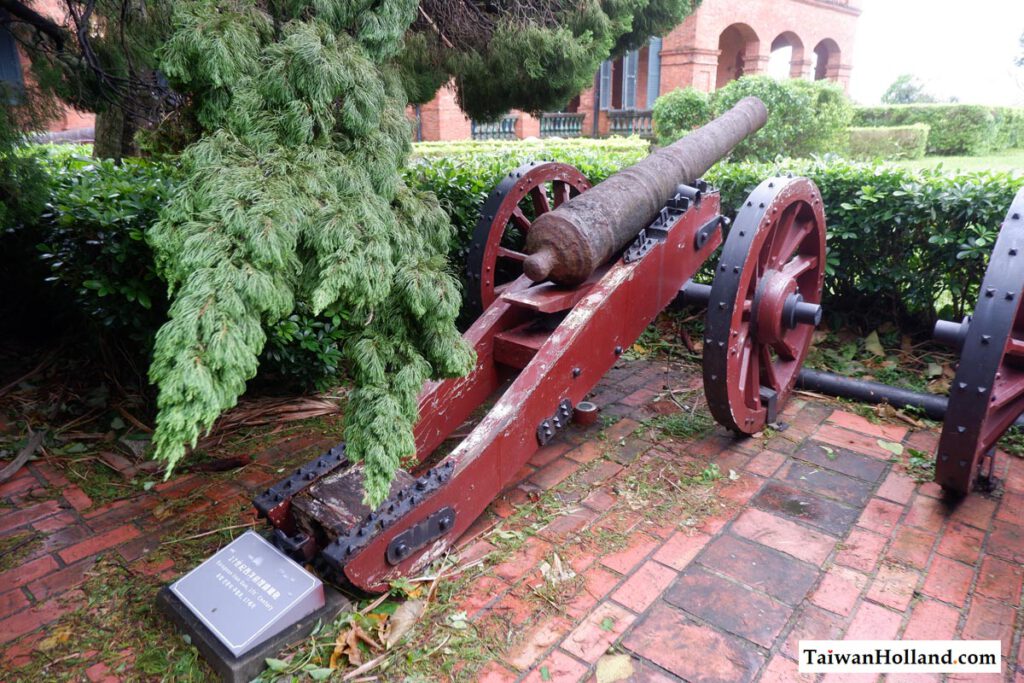
Walking towards the building you will pass some old cannons. These are Typical cannons used in the 17th and 18th century.
Don’t mind the leaves and branches. The day before a typhoon just hit the city, the clean-up crew already arrived but was first busy attending more urgent issues.
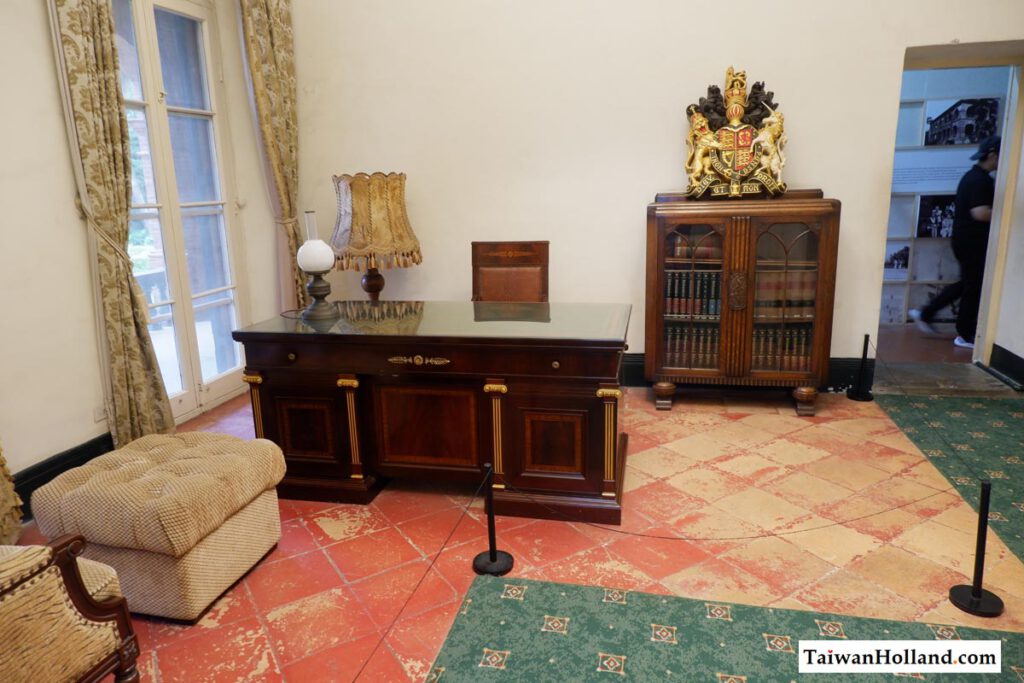
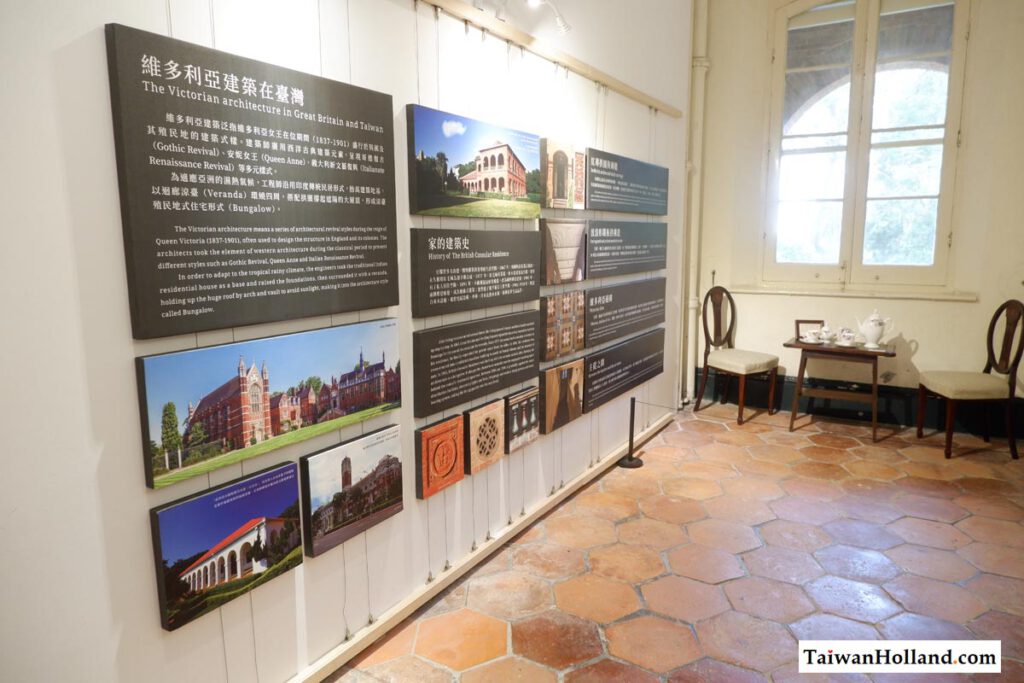
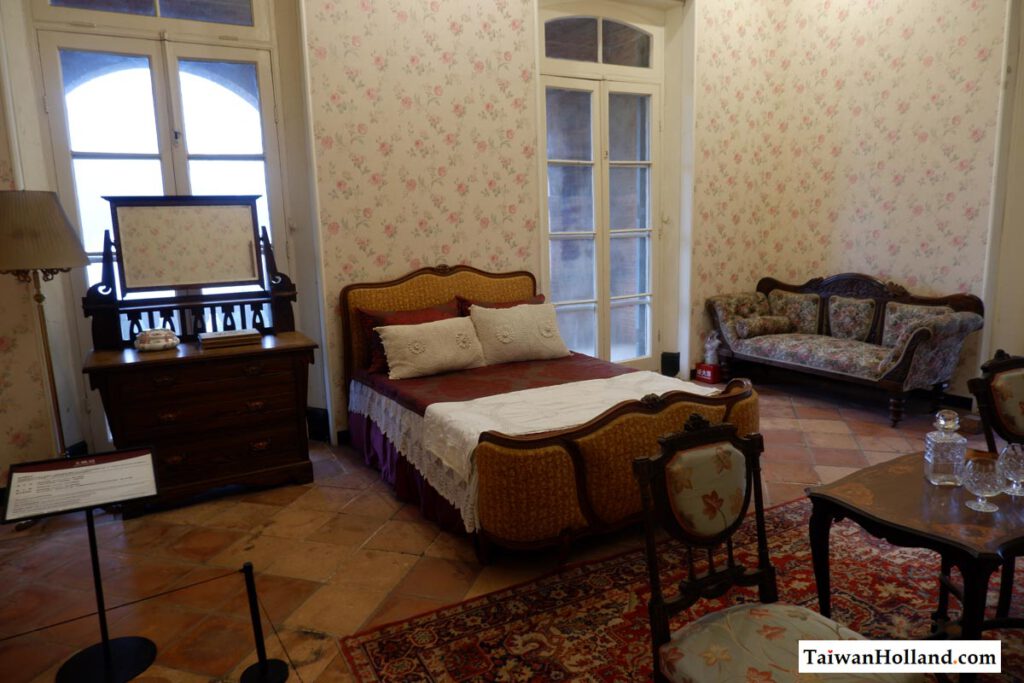
The new Consul building was much more spacious than the one in the fort. it has again two stories but also plenty of space for the employees and guest to stay. You can have a look inside and find out how life was in the early 1900’s until the early 50’s.
Is Fort Santo Domingo worth a visit?
Overall I really recommend going to visit Fort Santo Domingo, it is a really interesting part of Taiwan’s history. And its cool to learn more about the forts history. The museum is not too big so you can easily visit in one or 2 hours (excluding Hobe fort). It also fits right in with a visit to Tamsui district. Which is a really fun area to be at. I would schedule the museum during the day and then when sunset arrives take a stroll along the boulevard next to the river, at the end of the day it gets quite busy and its really fun to visit the small shops and food stalls and just enjoy watching the river flow by.
Extra tip: take the ferry to Bali district
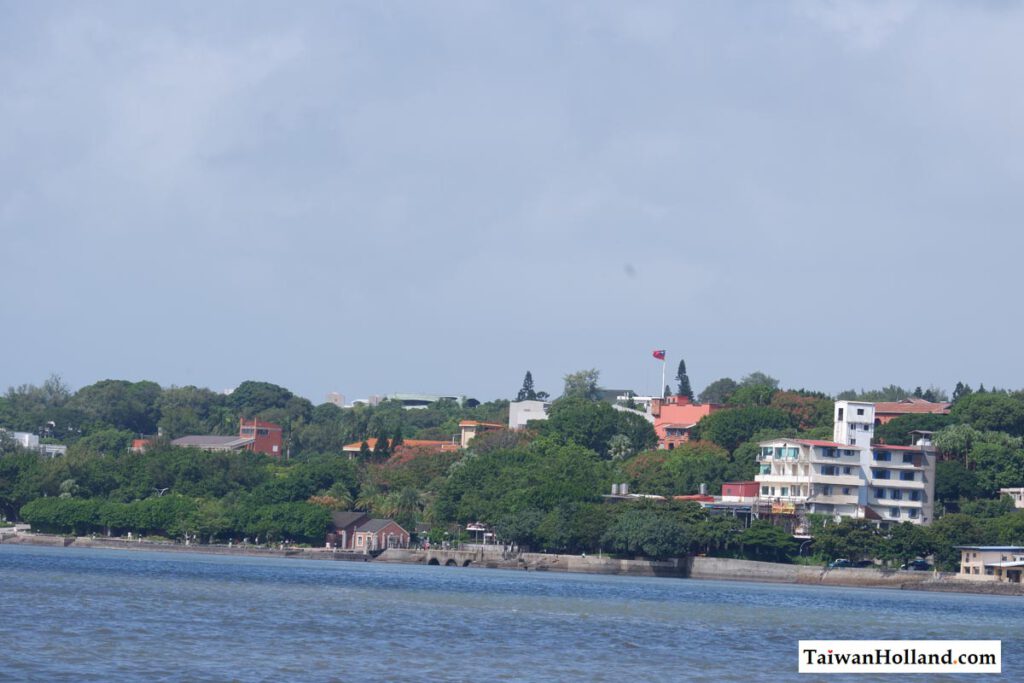
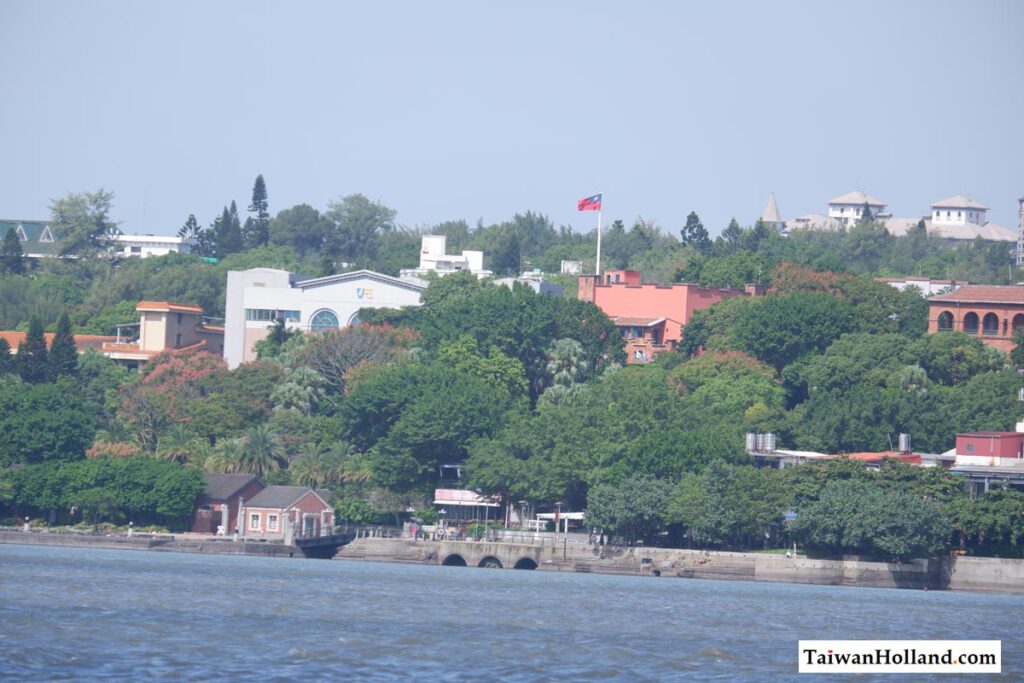
If you have time, there is a ferry going from Tamsui district to Bali district at the other side of the Tamsui river. For just 30$ntd you can get across and it is just a 10 minute boat ride. From the water you really can see how strategic the location of the fort is chosen in order to defend the mouth of the river.